
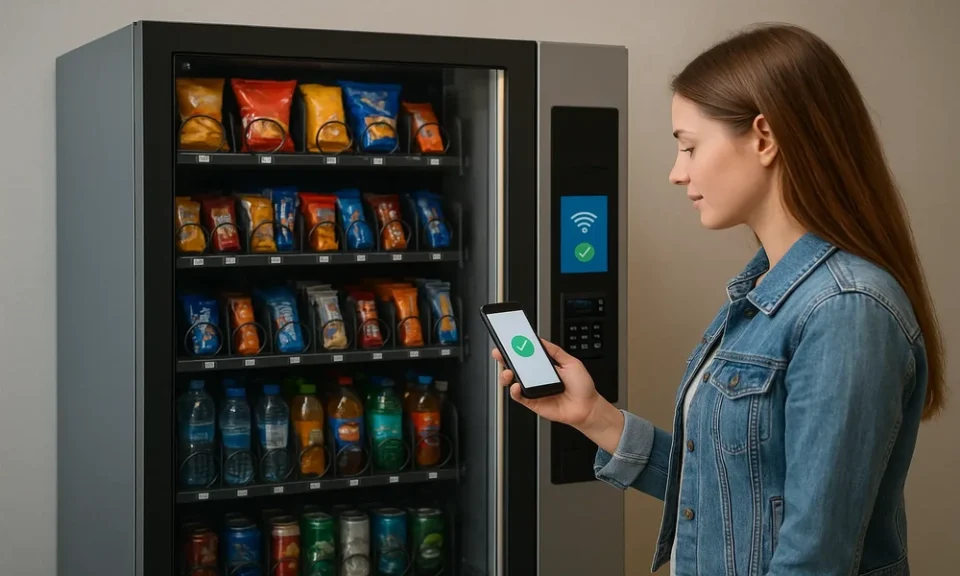
The vending machine technology of today requires wireless technology for processing transactions, communicating with management software, and conducting other functions. Selecting the appropriate Internet of Things technology should be based on network reliability, remote monitoring, security, and management aspects. Companies that research these technologies may see website that have information regarding the functioning of these vending machines and selection criteria.
Reliable Wireless Connectivity
Internet connectivity is another critical element that affects the choice of the appropriate IoT solution for vending machines. Connected vending machines require internet access to process online payments and exchange information with remote management systems. Many vending machines are based on 4G LTE wireless connections, as such solutions allow access to the Internet independently of wired infrastructure. It may be beneficial in those cases when vending machines are installed in shopping malls, office buildings, transit stations, etc., where Internet connectivity may not be present. When choosing the appropriate connectivity solution, it is necessary to take into account the coverage, signal strength, reliability, and amount of data.
Remote Monitoring Capabilities
Remote monitoring enables the vending machine operator to monitor the performance of each machine without travelling to each site. The management platform may give details concerning connectivity, usage of data, and even technical glitches. For organizations operating multiple vending machines, remote monitoring becomes a useful tool in saving time on physical inspections. It allows one to monitor each device’s performance and troubleshoot any connectivity challenges. Monitoring data usage is essential since these vending machines use wireless connectivity to share data. Therefore, it is necessary to know the amount of data used by each device.
Secure Network Connections
Another aspect that needs to be considered while selecting an IoT solution is security. Digital transactions and business data transfer may occur in vending machines through wireless connections. The lack of proper protection will put devices at risk of being vulnerable to hacking and other security threats.
The provision of a secure network includes the application of necessary security measures to ensure secure communication between vending machines, routers, and management systems. Companies need to pay attention to network encryption, access control, authentication of devices, and software updates. One more aspect of a secure network is proper configuration of devices. Unnecessary access points, old software versions, and poor login details may be a threat.
Remote Reboot Capabilities
A remote reboot feature enables operators or technical staff to remotely reboot specific devices that are connected and without physically being present at the location where the machine is situated. The ability to remotely reboot a device comes in handy in situations where the router or other network device stops responding or goes offline.
Through a remote management application, one will not need to send a technician to reboot the devices but can do it remotely instead. This would ensure that the lines of communication remain open. Nevertheless, remote rebooting is not a cure-all solution to technical problems because issues such as hardware problems and power failure might be involved.
Support for Smart Lockers and Micro Markets
The connectivity of IoT devices does not only apply to traditional vending machines. There is a wide range of smart lockers and micro markets that also rely on connected devices to perform their functions. The process of locking the locker happens through digital means. The micro markets can have self-service payment terminals, product monitoring equipment, and even some form of checkout-connected systems. The chosen IoT system needs to fit the needs of equipment and communications within the chosen retail environment. This becomes especially important if there are multiple kinds of connected devices within one facility.
Advanced Device Management
With more advanced device management systems, organizations have a way to monitor the health of their connections, identify any suspicious behavior, and analyze their devices. This will give them a better insight into the functioning of the devices that are connected from various places. Through centralization, the management process becomes simpler, and it is much easier for operators to spot recurring issues and schedule maintenance. Instead of manually examining each system, they will be able to see what needs to be checked.
Making an Informed Choice
Choosing an IoT system for vending machines depends on the knowledge of network coverage, security, remote monitoring, reboot capability, and device compatibility. There may be differences in the criteria based on the number of machines, location of installation, and nature of the automation business. Firms may see websites as one of the sources of information in looking at connectivity and enabling technologies.
