
Essential Points
- Professional surveillance training equips technicians with essential practical installation and wiring skills.
- Taking an accredited course ensures your security skills align with current national industry standards.
- Hands-on practice makes setting up network cameras and digital recorders fast and simple.
- Learning systematically cuts down future equipment downtime through quick fault isolation techniques.
The Surveillance Landscape
Commercial buildings and industrial facilities across Singapore rely on surveillance infrastructure to keep property safe. Security systems are moving from simple analogue setups to advanced network setups. Technicians need updated technical skills to handle wiring, digital video recorders, and network video units properly.
Enrolling in an accredited training program helps technicians keep pace with developments in surveillance hardware. Enrolling in a certified CCTV course in Singapore with WSQ gives learners a recognised pathway to master hardware mounting, cable routing, and remote monitoring techniques. Gaining these practical abilities opens up rewarding career paths across the security industry.
Master Hardware Installation and Cabling
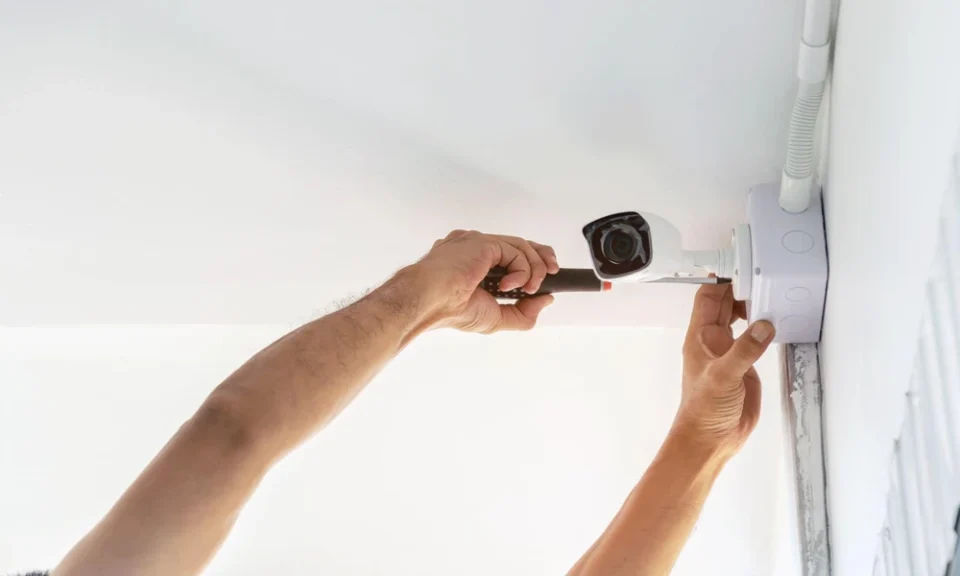
Physical installation forms the foundation of every effective surveillance network. Technicians must learn how to assess site layouts properly and select the correct camera lenses. Proper positioning ensures crisp footage capture while protecting hardware from environmental wear.
Precision Positioning & Cabling
Mastering site layout assessment and proper conduit routing prevents signal loss, power drops, and physical damage on active job sites.
Power & Integration Systems
Calculating precise power budgets during setup guarantees every connected camera receives stable voltage for smooth, inspection-ready installations.
Running network cables correctly requires understanding coaxial and fibre optic wiring standards. Mastering these hands-on physical skills during training ensures reliable hardware setups that easily pass final client inspections.
Software Configuration and Network Setup
Once hardware is mounted securely, configuring system software becomes the main focus. Technicians learn to assign IP addresses, set subnets, and configure port forwarding rules accurately. Mastering digital CCTV system configuration and troubleshooting allows installers to connect cameras without IP conflicts.
Modern surveillance platforms offer advanced software features like motion detection triggers and cloud backups. Training helps technicians configure video management software efficiently to conserve storage space. Proper setup guarantees high-quality video playback while keeping network bandwidth usage under control.
Enabling secure remote viewing access is a standard requirement for clients today. Taking a recognised CCTV course in Singapore with WSQ equips technicians to set up mobile viewing applications safely. Installers apply strict password policies to protect private video feeds from external cyber threats.
Systematic Fault Isolation and Repairs
Surveillance networks eventually face technical glitches due to component wear or power surges. Technicians must approach repairs methodically using step-by-step diagnostic workflows. Systematic fault finding reduces system downtime, keeping client properties protected continuously without operational delays during business hours.
- Methodical Hardware Checks: Tests cable continuity and power output fast to catch signal loss and voltage drops over long runs.
- Smart Component Isolation: Pinpoints broken parts quickly to save clients money and stop unnecessary hardware replacements on site.
- Digital Diagnostics: Uses network scanning tools and software logs to trace dropped IP connections and fix software bugs.
- Rapid System Recovery: Restores full camera feeds and network stability promptly to keep downtime to an absolute minimum.
When technical issues pop up, having a solid grasp of CCTV system configuration and troubleshooting allows technicians to diagnose errors quickly and get the network back online. Mastering these digital and physical repair techniques ensures surveillance networks maintain peak operational performance at all times.
Career Advancement and Industry Standards
Formal technical qualifications instantly set security installers apart in a competitive market. Building managers and engineering firms prefer certified professionals who bring proven safety and installation standards to every commercial project. Upgrading your skill set opens doors to higher-paying supervisory roles and long-term career stability as the industry grows.
As AI and smart tech reshape modern security, staying current is essential for every installer. Technicians can master modern surveillance trends and connect with experienced practitioners by enrolling in a practical CCTV course in Singapore with WSQ. Gaining hands-on experience with updated systems gives you the confidence to handle large-scale smart infrastructure projects.
Advancing Technical Competency
Mastering surveillance installation requires a balanced combination of physical cabling skills, network knowledge, and sharp diagnostic abilities. Completing structured technical training provides the practical experience needed to set up and maintain complex security hardware safely. Equipping yourself with industry-aligned skills ensures you can deliver reliable security solutions that protect valuable assets effectively.
Contact Apollo Global Academy today to learn more about our professional security training courses and advance your technical career!
