
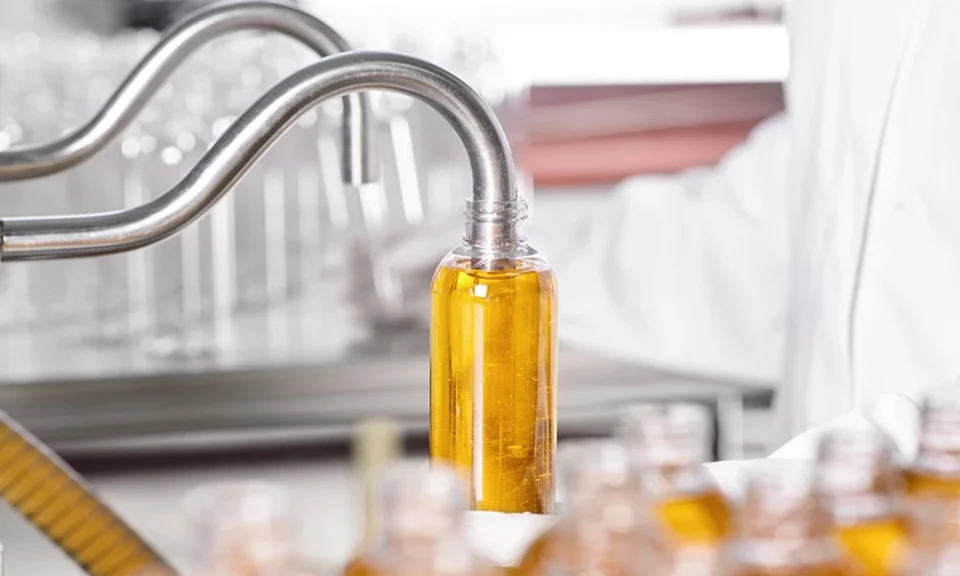
Inconsistent application can be frustrating when the dispensing equipment appears to be operating correctly. Uneven beads, excess material, dripping or irregular coverage may lead teams to investigate pressure settings, pumps or software first. Yet the fluid dispensing nozzle can have a direct effect on how material reaches the target surface.
Nozzle selection needs to reflect the material, application pattern and production conditions. A nozzle suited to one process may create poor results in another, even when the wider system remains unchanged. Identifying the selection errors below can help manufacturing teams narrow down the source of inconsistent fluid dispensing.
1. Choosing a Nozzle Without Considering Material Viscosity
Viscosity influences how easily material travels through an opening. A nozzle with an unsuitable internal diameter can restrict flow when handling thicker materials or allow excessive discharge when working with thinner fluids.
High-viscosity adhesives, sealants and pastes may require a larger or differently configured opening to maintain a stable flow. Lower-viscosity fluids can need finer control to prevent excess material from reaching the workpiece.
Temperature can complicate this further. Some materials become thinner when heated and thicker when cooled, so a nozzle selected using a single viscosity value may behave differently during production.
The material should therefore be assessed under actual operating conditions. Flow requirements, temperature and the desired deposit size provide useful starting points when determining the appropriate nozzle configuration.
2. Selecting the Opening Based Only on Deposit Size
The desired bead or dot size matters, but it should not be the sole selection criterion. The fluid dispensing nozzle also needs to accommodate the material’s flow characteristics and the speed at which the application takes place.
A very small opening may appear suitable for creating a fine deposit, yet it can increase flow resistance and require greater pressure. This may lead to unstable output or place unnecessary demands on other system components.
A larger opening can improve material flow but may make it harder to control small deposits. The correct choice comes from balancing opening size with material behaviour, pressure, travel speed and the required application pattern.
For automated production, this relationship becomes particularly important because even small changes in flow can become visible across repeated cycles.
3. Ignoring the Application Method
The way material is applied should guide nozzle selection from the beginning. A process applying individual dots has different requirements from one creating a continuous bead, filling a cavity or coating a surface.
Consider the movement of the dispensing head, the distance from the workpiece and the shape required after application. Nozzle geometry can influence how cleanly material leaves the outlet and how consistently it lands on the target.
Teams should also consider whether the nozzle needs to operate vertically, at an angle or while moving continuously across the component. These details can affect the resulting application and may explain inconsistent fluid dispensing when the selected nozzle is otherwise technically functional.
4. Treating Nozzle Replacement as a Like-for-Like Swap
Replacing a worn nozzle with another component that looks similar does not always guarantee equivalent performance. Differences in opening diameter, internal geometry, length and material can change flow behaviour.
Production teams should verify specifications before replacement rather than relying on appearance alone. A small dimensional difference may affect pressure requirements or deposit volume, particularly in precision applications.
Common Mistakes to Avoid
- Selecting a nozzle without checking the material’s viscosity at operating temperature.
- Matching nozzle size to deposit dimensions while ignoring flow resistance.
- Using the same nozzle configuration for different application methods.
- Replacing a nozzle based on appearance instead of confirming its specifications.
These mistakes can introduce variation that appears to originate elsewhere in the dispensing system.
Checking the Nozzle Within the Wider System
Nozzle selection should be considered alongside the rest of the dispensing arrangement. Pressure, tubing, material supply, valve operation and movement speed all contribute to final application quality.
If a nozzle change does not resolve inconsistent output, the wider process may require assessment. Pressure fluctuations, partially blocked fluid paths or changes in material condition can produce symptoms similar to an unsuitable nozzle.
A useful troubleshooting approach is to document the current operating conditions before making adjustments. Record material type, temperature, pressure, dispensing speed and deposit dimensions so changes can be assessed against a clear baseline.
When Changing the Specification
The right fluid dispensing nozzle should support the material, application pattern and production requirements rather than simply matching the visible size of the finished deposit. When teams evaluate nozzle characteristics alongside operating conditions, they can make more informed adjustments to the wider fluid dispensing process.
This is particularly useful when production demands repeatable application across extended operating cycles. A nozzle that performs consistently under actual conditions can help reduce unnecessary material variation and avoid repeated trial and error.
Contact Unicontrols to discuss fluid dispensing nozzle requirements and identify a suitable configuration for your manufacturing application.
